



Table of Contents
ToggleIn a world where jump scares reign supreme and eerie soundtracks send chills down spines, horror games have carved out a thrilling niche that keeps players on the edge of their seats. Whether it’s a haunted mansion filled with ghosts or a post-apocalyptic wasteland crawling with monsters, the creativity behind horror game concepts knows no bounds.
Overview of Horror Game Concepts
Horror game concepts revolve around evoking emotions like fear and tension. Immersive narratives create gripping experiences that keep players engaged. Various genres exist, including survival horror, psychological horror, and action horror, each offering unique gameplay elements.
Survival horror focuses on resource management and vulnerability, where players face overwhelming odds. Iconic titles like “Resident Evil” exemplify this concept. Psychological horror delves into the player’s mind, exploring fears and anxieties, often using narrative twists and disturbing visuals. Games such as “Silent Hill” provide chilling atmospheres that linger long after the game ends.
Action horror combines fast-paced gameplay with horror elements, appealing to players who seek excitement alongside fear. Franchises like “Dead Space” balance combat mechanics with terrifying creatures. Environments effectively contribute to horror settings—desolate landscapes, eerie sounds, and dim lighting amplify feelings of dread.
Distinct gameplay mechanics enhance horror game concepts. For instance, limited visibility or stealth requirements force players to rely on intuition. Some titles incorporate puzzle-solving elements that stimulate mental engagement while crafting a sense of urgency.
Character design influences player immersion as well. Villains and monsters often embody fears, creating memorable antagonists. Compelling backstories enrich narratives, turning simple encounters into emotional journeys.
Developers use various techniques to build suspense, such as unexpected jump scares or ambient sounds that create tension. Players find the combination of gameplay mechanics, engaging narratives, and atmospheric design crucial to the horror experience. Each element harmonizes, offering diverse and unforgettable interactions within the horror genre.
Elements of Horror Game Design
Creating an immersive horror game requires a thoughtful blend of elements that enhance the players’ experience. Key components like atmosphere, sound design, and mechanics contribute significantly to the overall fear factor.
Atmosphere and Environment
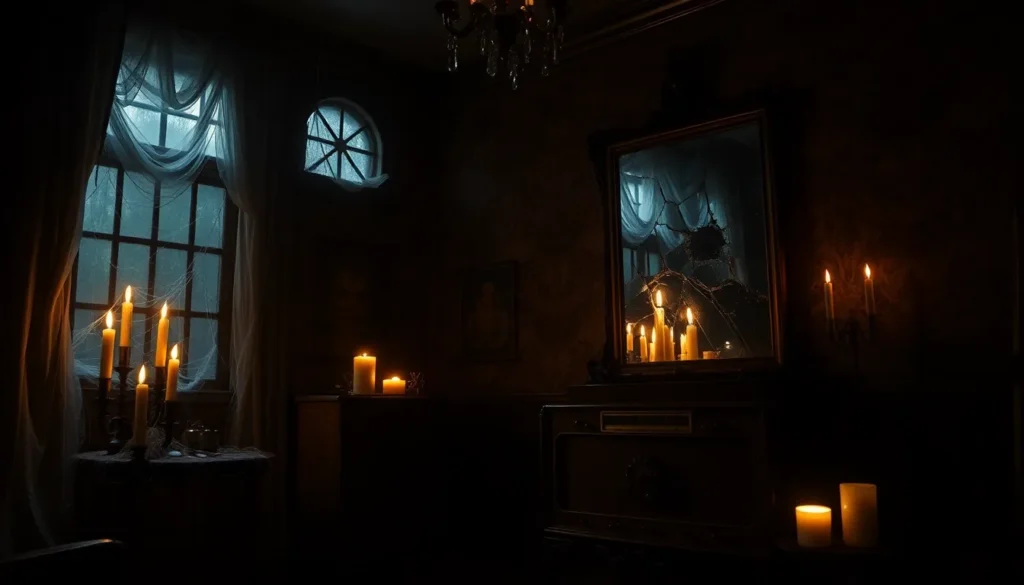
Atmosphere and environment shape the player’s immediate emotional response. Dark, claustrophobic corridors often amplify tension, making every corner feel threatening. Interactable objects enhance depth, inviting players to explore and discover hidden horrors. Unique settings, such as abandoned hospitals or fog-laden forests, establish a strong sense of place. Visual elements like lighting and color schemes play a critical role in evoking feelings of dread. Overall, developers craft these environments to provoke intense emotions that resonate with players throughout their journey.
Sound Design and Music
Sound design and music amplify the horror experience. Background noises, such as creaking doors or distant whispers, create an unsettling ambiance that keeps players on edge. Use of silence often heightens tension, making sudden sounds more impactful. Composed scores dynamically respond to gameplay, signaling danger or evoking fear. Layered audio cues can disorient players, drawing them further into the game’s narrative. Each sound element meticulously enhances immersion, contributing to the players’ emotional journey through the game.
Types of Horror Game Concepts
Exploring various horror game concepts reveals unique gameplay styles that engage players. Each category contributes to the broader horror experience.
Psychological Horror
Psychological horror focuses on the mental aspects of fear and dread. It often immerses players in story-driven environments that puzzle them and challenge their perceptions. Noteworthy titles like Silent Hill utilize narrative twists and haunting visuals to evoke deep emotional responses. Complex characters face inner demons while players venture through unsettling settings. The gameplay emphasis shifts from physical threats to psychological manipulation, creating a fear that lingers long after gameplay. Intricate plotlines and eerie atmospheres enhance tension, leading to an unforgettable experience.
Survival Horror
Survival horror emphasizes limited resources and vulnerability in hostile environments. Players like in Resident Evil must manage supplies, solve puzzles, and navigate dangerous scenarios. Tension mounts as they face relentless enemies in claustrophobic settings that heighten anxiety. Character progression often hinges on resourcefulness, forcing players to make crucial decisions under pressure. Elements like permadeath contribute to the intensity, increasing the stakes throughout the game. Immersive worlds filled with detail further draw players into the emotional gravity of survival.
Action Horror
Action horror blends fast-paced gameplay with horror elements to create thrilling experiences. Franchises like Dead Space showcase intense combat mechanics, combined with unsettling environments that keep players on edge. Quick reflexes often become essential as players confront nightmarish creatures in pulse-pounding sequences. Character abilities and weapon upgrades enhance gameplay, while narratives explore themes of survival against overwhelming odds. The fusion of action and horror elements provides a unique thrill that appeals to various gamer preferences. Each element works together to create an adrenaline-fueled gaming experience.
Case Studies of Popular Horror Games
Exploring successful horror games reveals unique concepts that captivate players and create lasting impressions. Each game utilizes innovative mechanics, stories, and atmospheres that contribute to their popularity.
Resident Evil Series
The Resident Evil series redefined survival horror since its debut in 1996. Players navigate through terrifying environments while managing limited resources. Iconic elements like zombies and intricate puzzles enhance suspense, pushing players to think critically. Environments vary from mansions to urban settings, each filled with lurking dangers. Additionally, the game incorporates engaging narratives that evolve with each installment, introducing new characters and unexpected twists. Over time, the series has expanded into films, merchandise, and spin-offs, solidifying its status as a cornerstone of the horror genre.
Silent Hill Series
The Silent Hill series is heralded for its psychological horror approach since its first release in 1999. Players delve into a haunting world filled with metaphorical monsters that represent inner fears. The use of fog and darkness enhances atmosphere, creating a sense of isolation and dread. Intricate storylines involve themes of guilt and madness, challenging players to confront disturbing truths. Innovative gameplay mechanics, such as shifting environments, reinforce the psychological elements. As the series progresses, its focus on narrative depth and emotional resonance distinguishes it within the well-established horror genre.
Amnesia: The Dark Descent
Amnesia: The Dark Descent revolutionized horror gaming upon its release in 2010. Distinctly known for its first-person perspective, it immerses players within a chilling castle filled with nightmarish creatures. Resource management becomes crucial, as players must conserve lantern oil while navigating darkness. The game emphasizes vulnerability, forcing players to rely on stealth rather than combat. Compelling storytelling and atmospheric sound design heighten tension, evoking a profound sense of dread. With its unique mechanics and engrossing narrative, Amnesia set a new standard for modern horror games, inspiring future titles within the genre.
Future Trends in Horror Game Concepts
Emerging technologies are reshaping horror game concepts, creating immersive experiences that draw players deeper into terrifying narratives. Virtual reality continues to gain traction, offering unprecedented levels of immersion. Players can experience fear in their own spaces, heightening engagement and intensity.
Artificial intelligence is another key trend influencing horror games. Intelligent NPCs respond dynamically to player actions, enhancing unpredictability within narratives. This adaptability amplifies tension, making encounters more personalized and memorable.
Moreover, narrative design is likely to become increasingly complex. Non-linear storytelling will allow players to make choices that significantly impact outcomes, creating diverse experiences. Games like “Until Dawn” have showcased how branching paths can lead to various endings, engaging players on multiple levels.
Additionally, cultural influences are shaping horror concepts. Incorporating global folklore and societal fears allows developers to create unique stories that resonate with diverse audiences. Games that explore different cultural themes can enhance relatability and offer new perspectives.
Multiplayer elements are also on the rise in horror games. Cooperative gameplay encourages players to team up in experiencing horror together, fostering camaraderie amidst tension. This social aspect can create shared scares, enhancing overall engagement.
Finally, accessibility will play a crucial role in horror game development. Implementing features such as customizable difficulty settings ensures that players of all skill levels can enjoy the experience without sacrificing the essence of horror. This focus on inclusivity can broaden the audience and heighten enjoyment.
These trends signal an exciting future for horror games, expanding boundaries and enriching player experience in unprecedented ways.
Horror game concepts continue to evolve and captivate players with their rich narratives and immersive experiences. The genre’s ability to blend innovative gameplay mechanics with psychological depth ensures that each title offers something unique. As technology advances the integration of virtual reality and AI is reshaping how fear is experienced, pushing the boundaries of player engagement.
Emerging trends like non-linear storytelling and multiplayer elements enhance the sense of agency and shared fear among players. This dynamic landscape promises to keep horror gaming fresh and thrilling for years to come. With each new release the potential for unforgettable scares and emotional journeys only grows, solidifying horror’s place in the gaming industry.