



Table of Contents
ToggleIn a world where mainstream horror games often rely on flashy graphics and predictable jump scares, indie horror games are the quirky underdogs that refuse to play by the rules. They’re like that weird cousin who shows up to family gatherings with a collection of creepy dolls and a penchant for ghost stories. With their unique storytelling and innovative gameplay, indie horror games invite players into a chilling realm where creativity reigns supreme.
These gems offer a fresh take on fear, often blending humor with spine-tingling suspense. Whether it’s navigating a haunted house filled with bizarre puzzles or confronting existential dread in pixelated form, indie horror games deliver thrills that stick with you long after the screen goes dark. Buckle up and prepare for a wild ride through the eerie and the absurd, where the only thing scarier than the monsters might just be the developers’ sense of humor.
Overview of Indie Horror Games
Indie horror games stand out for their creativity and unique approach to storytelling. Unlike mainstream titles that often prioritize high production values, these games frequently focus on atmosphere and emotional engagement. Players encounter distinctive narratives that weave humor with suspense, creating experiences that linger in memory.
Engaging mechanics define many indie horror games. Players may solve puzzles in eerie environments or navigate through unexpected plot twists that challenge their perceptions. Games like Three Dead Zed showcase an unusual blend of light-hearted themes and horror elements, making them memorable.
Innovative art styles further enhance the appeal of indie horror. Pixelated graphics, for example, can evoke nostalgia while simultaneously crafting a chilling atmosphere. Titles such as Lone Survivor demonstrate how minimalist design can amplify tension and emotional depth.
Moreover, indie developers often experiment with gameplay mechanics, offering new ways to convey horror. Heuristic storytelling might involve player decisions impacting the narrative, ensuring each playthrough feels fresh and engaging. Games like The Witch’s House illustrate how choices can lead to multiple endings, increasing replay value.
Community-driven support also plays a crucial role in the indie horror landscape. Platforms like Steam and itch.io enable developers to reach wider audiences. Players actively participate in discussions and share feedback, helping shape the evolution of these games.
Indie horror games captivate audiences through their innovative narratives, distinctive mechanics, and vivid artistic styles. Each title offers a unique experience, challenging players to confront their fears in unexpected and thrilling ways.
Popular Indie Horror Games
Indie horror games continue to intrigue players with their unique offerings. Their creativity and storytelling make them stand out in a saturated market.
Notable Titles Worth Mentioning
“Three Dead Zed” merges humor with horror, featuring a quirky storyline that draws players in. “Lone Survivor” captivates with its retro aesthetic and existential themes, creating a haunting experience. “Amnesia: The Dark Descent” remains a cornerstone of indie horror, utilizing psychological tension and immersive gameplay. “The Witch’s House” showcases a blend of clever puzzles and chilling atmosphere that keeps players engaged. “Outlast” excels with its terrifying first-person perspective that heightens anxiety and fear. Each of these titles contributes significantly to the evolving landscape of indie horror gaming.
Unique Gameplay Mechanics
Innovative gameplay mechanics define many indie horror titles. Puzzles enhance immersion, ultimately drawing players deeper into eerie narratives. Player choices often shape story outcomes, as seen in “The Witch’s House,” where decisions directly influence results. Atmosphere is paramount, with environmental storytelling and sound design amplifying fear and suspense. Exploration frequently reveals hidden lore, further enriching the experience. Each mechanic serves to create a more apprehensive and interactive environment, keeping players on edge.
The Evolution of Indie Horror Games
Indie horror games have transformed significantly over time, illustrating creativity and innovation. This transformation includes diversifying narratives and gameplay experiences.
Influence of Retro Games
Many indie horror games draw inspiration from retro titles, showcasing pixelated graphics and minimalist designs. Developers often incorporate limited resources to enhance player immersion, creating anxiety through simpler visuals. Nostalgic elements engage players, transporting them back to classics while spinning fresh narratives. For instance, “Lone Survivor” evokes memories from earlier gaming eras yet tells a unique story. Genres blend in these games, merging exploration with survival mechanics. Overall, this retro influence shapes modern gaming, demonstrating that engaging experiences can arise without high budgets.
Technological Advancements
Innovative technology drives the evolution of indie horror games, expanding developers’ creative possibilities. Accessible tools, such as game engines like Unity and Unreal Engine, lower entry barriers for aspiring creators. These platforms often include powerful graphical capabilities and user-friendly interfaces. Such advancements allow developers to focus on storytelling and gameplay mechanics without being hindered by technical limitations. Additionally, online distribution channels facilitate real-time player feedback, encouraging rapid iterations and improvements. Games like “Amnesia: The Dark Descent” highlight how technological progress enhances narrative delivery and interaction. Overall, these advances play a crucial role in shaping the indie horror genre, making it an enticing field for both developers and players.
Game Design Elements in Indie Horror
Indie horror games excel in creating immersive experiences through unique design elements that amplify fear and engagement.
Atmosphere and Sound Design
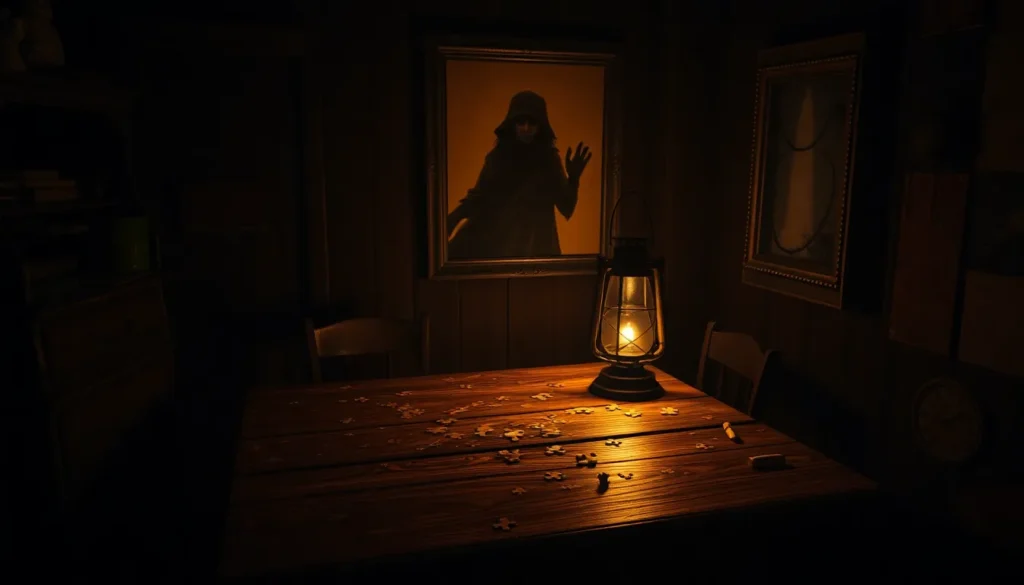
Atmosphere plays a crucial role in indie horror games. Developers utilize lighting, color palettes, and environmental details to evoke tension. Game settings often range from abandoned buildings to eerie forests, instantly placing players in unsettling locations. Sound design significantly enhances these atmospheres. Creators incorporate ambient sounds, unsettling music, and sudden audio cues to foster dread. The careful interplay between visual and auditory elements keeps players on edge, ensuring every creak, whisper, and howl heightens their anxiety. Titles like “Silent Hill” and “Little Nightmares” exemplify these successful strategies, relying on well-crafted soundscapes to instill fear without the necessity for flashy graphics.
Storytelling Techniques
Storytelling techniques in indie horror games often prioritize narrative depth over traditional tropes. Developers explore psychological themes, engaging players emotionally while challenging their perceptions of reality. Non-linear storylines invite exploration and foster player agency. Narratives frequently include rich backstories revealed through environmental storytelling, notes, and dialogues. Ingenious use of unreliable narrators further immerses players in twisted plots. Games like “Layers of Fear” and “What Remains of Edith Finch” stand out for their innovative storytelling, captivating players and inviting them to piece together complex tales. These techniques create memorable experiences that linger long after gameplay.
Community and Impact
Indie horror games thrive within vibrant communities that support and motivate developers. These passionate groups foster collaboration, enabling creators to share resources, ideas, and feedback. Platforms like Reddit and Discord serve as hubs for discussion, allowing enthusiasts to connect, experiment, and innovate. Events such as game jams encourage quick, creative development, leading to unique titles that might not emerge in traditional settings.
Indie Game Development Communities
Indie game development communities play a vital role in shaping the gaming landscape. These groups often provide mentorship opportunities and shared knowledge. Resources such as tutorials, forums, and collaborative projects empower new developers to hone their skills. Developers gain visibility and support through platforms like itch.io, promoting their games and engaging with players. Such connectivity advances creativity and collaboration, yielding an array of innovative horror experiences for audiences to enjoy.
Influence on Mainstream Horror Games
Mainstream horror games increasingly draw inspiration from indie titles’ creativity and storytelling. Unique gameplay mechanics found in indie games enhance player immersion and emotional connection. Influential titles like “Amnesia: The Dark Descent” introduced psychological elements that mainstream developers now replicate. An emphasis on atmosphere and tension in indie games challenges larger studios to prioritize these aspects in their offerings. As indie horror continues to innovate, it shapes trends, prompting more significant developments in the mainstream gaming sector.
Indie horror games continue to redefine the genre by prioritizing creativity and emotional depth. Their ability to blend humor with suspense creates a unique experience that resonates with players. The innovative mechanics and distinctive narratives keep audiences engaged while fostering a sense of community among developers and gamers alike.
As the landscape of indie horror evolves, it challenges traditional norms and inspires larger studios to embrace atmospheric storytelling. With each new title, indie developers push boundaries and explore themes that captivate and terrify. The future of indie horror promises even more thrilling adventures that invite players to confront their deepest fears in imaginative ways.