







In the vibrant world of MapleStory, where adventurers chase monsters and collect treasures, the auction house stands as a bustling marketplace filled with opportunities. Imagine haggling over rare items, trading with friends, and snagging that elusive weapon you’ve been dreaming of. It’s not just a shop; it’s a treasure hunter’s paradise where the thrill of the deal is as exhilarating as defeating a boss monster.
Overview of MapleStory Auction House
MapleStory’s auction house serves as a pivotal trading platform for players. Rare items, such as weapons and equipment, find their way into the hands of those willing to negotiate. Engaging in the auction process adds an element of strategy to item acquisition.
Players list items for sale, setting initial prices based on demand. Competing bids often create a competitive atmosphere. Users can browse listings, filtering by categories to find specific treasures quickly.
The auction house operates under time limits, instilling urgency in transactions. Bidders must act quickly to secure desired items before the auction ends. Additionally, successful trades often depend on players’ knowledge of market trends. Understanding seasonal fluctuations enhances the likelihood of profitable sales.
Users can also utilize search functions to locate unique gear or sought-after collectibles. Exploring various tabs allows for effortless navigation through hundreds of listings.
A notable feature of the auction house involves transaction fees. Players retain a percentage of their profits after a sale, incentivizing careful pricing strategies.
Strategically, investing time in the auction house can yield rewards beyond immediate gains. Building relationships with other traders contributes to a vibrant in-game economy. Players returning to the auction house frequently discover new items and opportunities for profit.
Features of MapleStory Auction House
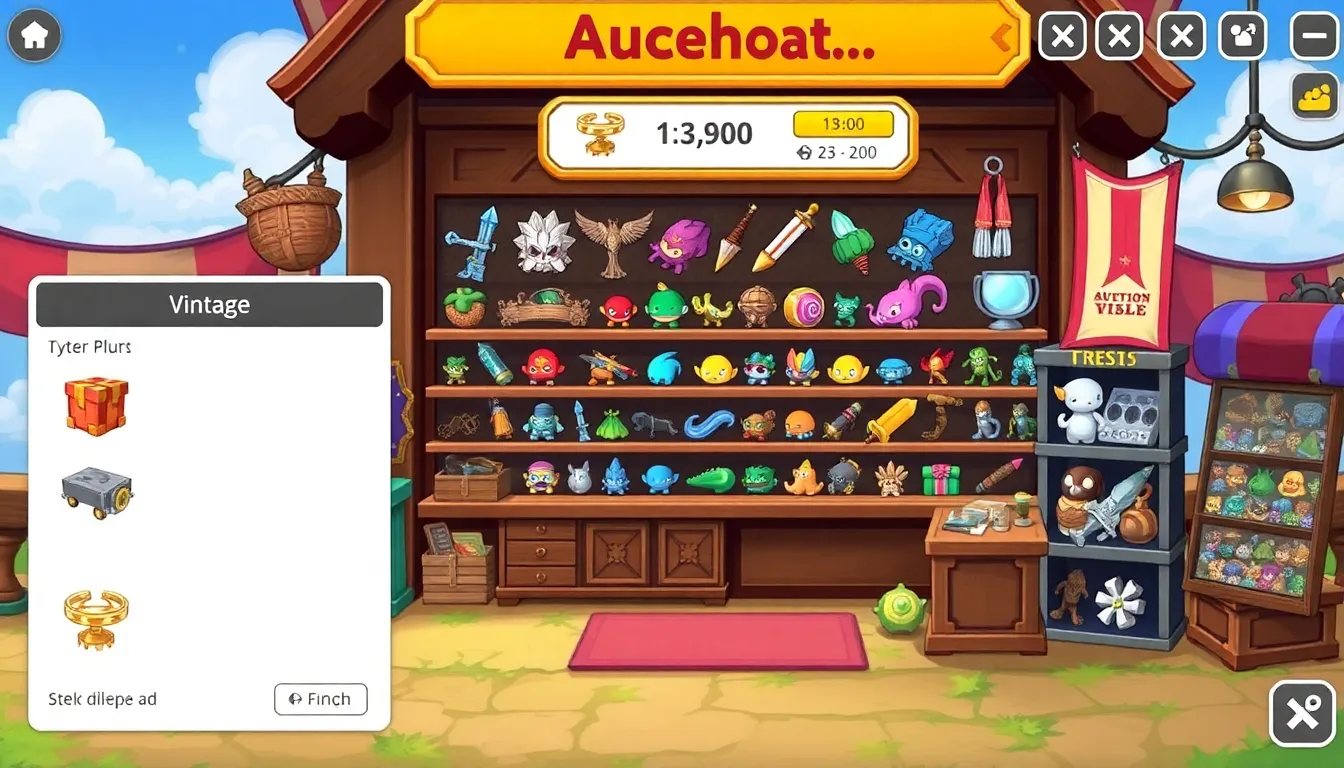
The auction house in MapleStory boasts several distinct features that enhance player experience.
Item Listing Process
Players can list items for sale through a straightforward process involving a few clicks. First, they select the item from their inventory, determining an initial price based on current market rates. Setting a competitive price requires awareness of trends, as demand fluctuates. Once listed, each item appears in the auction house with a clear description, including any unique attributes. Additionally, players often use attractive visuals to catch potential buyers’ attention. Regularly updating listings or adjusting prices can lead to quicker sales.
Bidding Mechanism
The bidding mechanism adds an exciting layer to transactions. Players can place bids on items they want, fostering competition among buyers. Each listing has a set time limit, emphasizing the need for quick decision-making. The highest bidder at auction close wins the item, which encourages strategic thinking. Participants must balance how much they are willing to spend against the value of the item. Engaging in numerous bids can develop a player’s negotiation skills, providing a deeper connection to the game’s economy.
Currency and Fees
Currency plays a vital role in transactions within the auction house. Players use mesos as the primary currency for buying and selling items. Transaction fees apply to each sale, generally calculated as a percentage of the final sale price. Understanding these fees is critical for setting prices to ensure profitability. Certain premium listings may incur higher fees, impacting overall earnings. Keeping track of expenses can help players budget effectively and maximize their gains while navigating the auction house.
Strategies for Success in MapleStory Auction House
Navigating the auction house effectively enhances trading experiences in MapleStory. Success involves mastering several strategies.
Pricing Your Items
Understanding market demand is crucial when pricing items. Track prices of similar listings to set competitive rates. Assess recent sales and adjust your prices accordingly. Attract more buyers by offering items slightly below market value. Consider the item’s rarity and condition when determining its worth. Players appreciate transparent pricing, so ensure clarity in your listings. Take transaction fees into account to avoid underpricing. Experiment with pricing strategies to find the sweet spot that maximizes profit while maintaining interest.
Effective Bidding Techniques
Employing strategic bidding techniques helps secure coveted items. Observe the timing of auctions, as peak hours usually generate more competition. Bid early to gauge interest, but avoid showing too much eagerness. Incremental bidding can deter others, making them hesitant to outbid quickly. Stay within budget limits to prevent overspending. Monitor items closely as auctions near end times, ensuring timely bids. Equipped with knowledge about item rarity, players can make informed decisions. Use these techniques to enhance overall success in the auction house market.
Common Issues and Troubleshooting
Players often encounter issues while using the auction house in MapleStory. Connectivity problems can disrupt access during peak times. This issue may lead to lost bidding opportunities or failed transactions. Checking the internet connection or the game’s server status can often resolve these disruptions.
Listings occasionally fail to appear for players. If items are missing from search results, using filters might improve visibility. Reassessing the search criteria or resetting filters can help uncover listings that initially seem absent.
Transaction fees may also confuse players. Understanding these fees is crucial for effective pricing strategies. Players should always factor in fees when setting prices to avoid unexpected losses.
Bidding wars can lead to frustrations as well. If it’s difficult to keep track of auction end times, setting reminders or timers can prevent missed chances. Staying alert during crucial moments enhances the odds of securing desired items.
Another frequent issue involves item quality. Some players report receiving items that don’t match the advertised condition. To minimize this risk, examining seller ratings and reviews before purchasing is essential. This helps maintain trust within the community and ensures satisfaction with transactions.
Lastly, glitches may occur during the listing process. If a player can’t list an item, relaunching the game or clearing the cache can often fix the problem. Regular maintenance updates from the developers also aim to address these bugs, so keeping the game updated promotes smoother operations.
Being aware of these common issues helps navigate the auction house effectively. Recognizing potential obstacles leads to more successful and enjoyable trading experiences.
The auction house in MapleStory is more than just a trading platform; it’s a vibrant hub of activity that enhances the gaming experience. Players can immerse themselves in the thrill of negotiation and strategy while navigating a marketplace filled with unique items.
By understanding market dynamics and employing effective bidding techniques, they can secure valuable treasures and maximize their profits. Staying informed about common issues and transaction fees ensures a smoother trading experience.
Ultimately, engaging with the auction house fosters a deeper connection to the game’s economy and opens up new opportunities for adventure and profit. Embracing this dynamic marketplace is essential for any player looking to thrive in MapleStory.